Woman with clear skin on a white background

Your Personalized Skin Analysis

Your skin is naturally balanced, producing enough sebum to maintain hydration without appearing excessively oily or dry. Hyperpigmentation indicates that certain areas of the skin are producing excess melanin, resulting in dark spots or uneven skin tone.

Hyperpigmentation may develop following sun exposure, inflammation, hormonal changes, or skin injury. While harmless, it can make the complexion appear uneven.

YOUR SKIN TYPE

— Normal

PRIMARY CONCERN

— Hyperpigmentation

SECONDARY CONCERN

— No-Additional-Concern

Personalized Skincare Routine

Your personalized routine has been designed to support your skin type and address your skin concerns.

Its goal is to help brighten the complexion, promote a more even skin tone, and support healthy skin while helping minimize the appearance of discoloration over time.

Close-up of a woman applying skincare product to their face.

Step 1 - Cleansing

Cleansing is the most important step in any beauty routine. It removes excess sebum, environmental pollutants, sweat, bacteria, viruses, mold spores, makeup, and any other impurities that accumulate on the skin throughout the day. Leaving these behind can contribute to congestion, breakouts, irritation, and a dull-looking complexion.

Not all cleansers are created equal. Many remove surface dirt but fail to thoroughly dissolve makeup, sunscreen, excess oil, and other oil-based impurities without drying or compromising the skin's protective barrier — especially around the delicate eye area.

Step 1 - Olive Cleansing Oil - Massage Olive over face, neck, and décolleté. This first cleanse dissolves makeup, excess sebum, and other oil-based impurities while gently loosening debris from the skin. Remove with a wet towel.

Step 2 - Lavender & Mandarin Facial Foaming Cleanser - Apply Foaming Cleanser over face with a few drops of water to create a rich lather. Thoroughly massage to cleanse the skin and remove left over oil. Rinse with lukewarm water. Pat dry.

Together, these two steps lift away the cleansing oil along with the dissolved impurities, leaving your skin exceptionally clean and perfectly prepared for the rest of your skincare routine.

A clean canvas allows every product that follows to perform at its best.

When to apply?
Daily on AM & PM routines.

Recommendations for Step 1

Japanese Matcha Tea & French Green Clay Beautifying Facial Clay Mask By Valenti Organics Organic Skincare

Step 2 - Mask

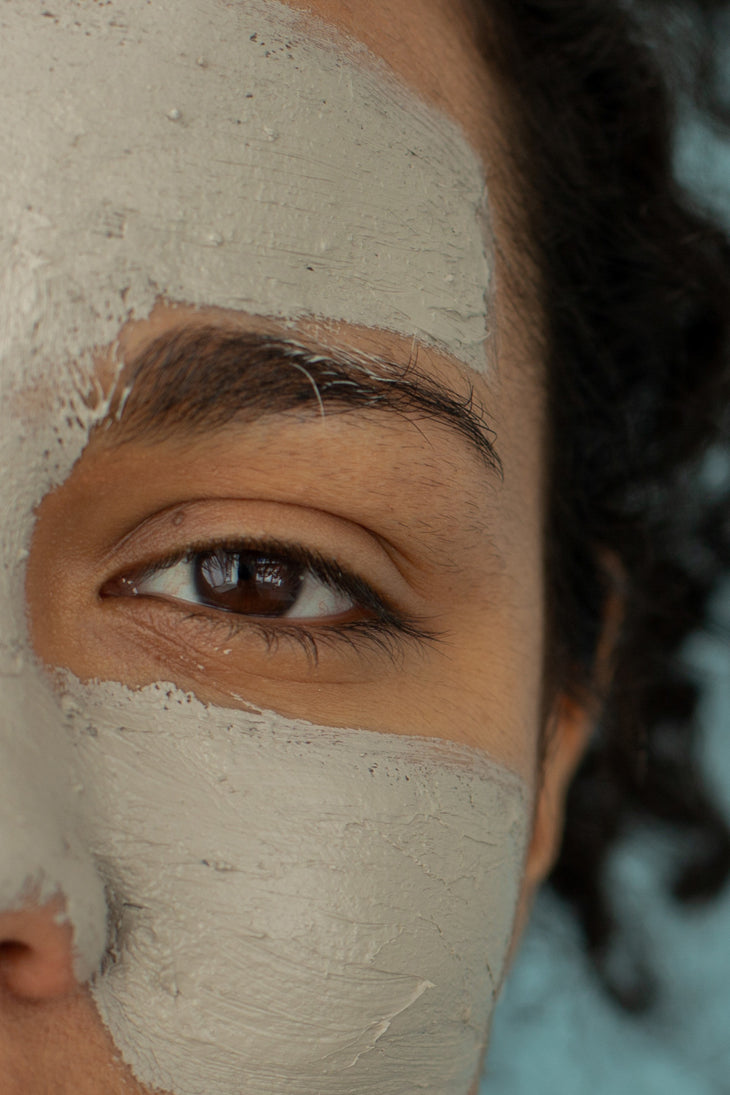
Facial masks are an important weekly treatment that complements your daily skincare routine. Masks provide prolonged contact with the skin, allowing mineral-rich clays, botanicals, sugars and salts to absorb excess sebum, gently exfoliate surface dead skin cells, and leave complexion feeling smoother, softer, and more refined.

Consistent once a week applications helps remove dead skin cells, maintain a smoother skin surface, and improves the appearance of dullness.

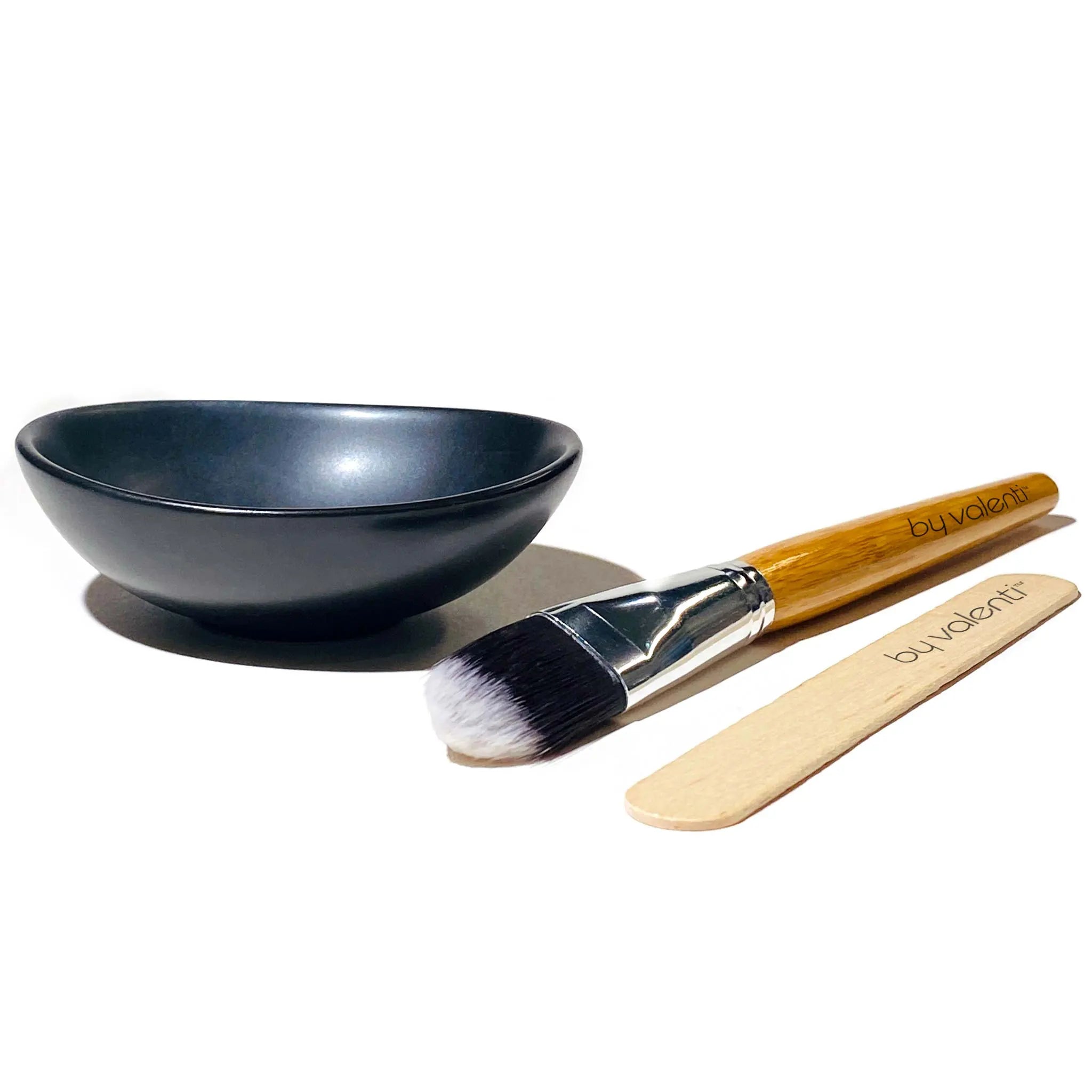
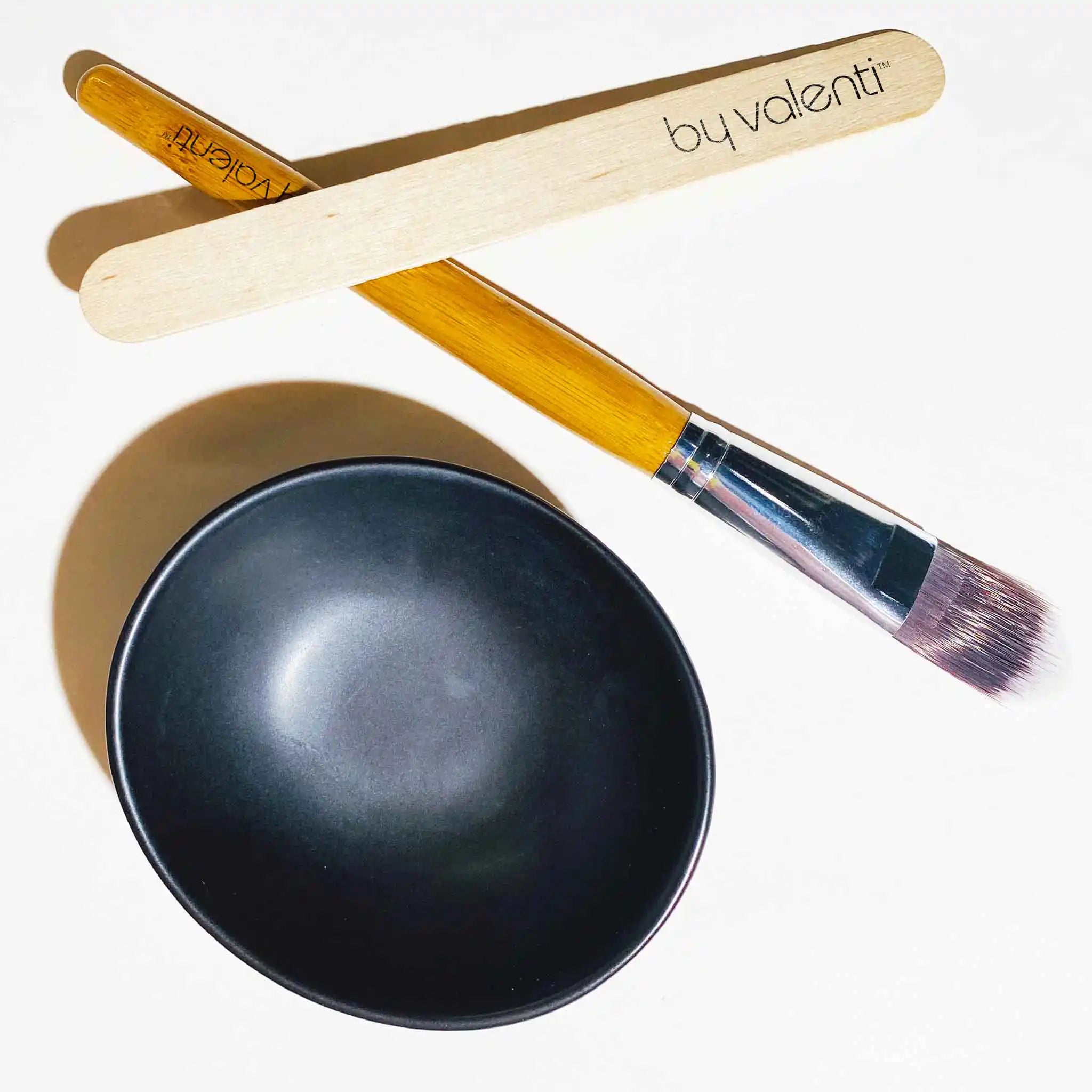
Mix the powder with warm water (no hotter than 30 °C / 86 °F) until a smooth, creamy paste forms. Allow the mixture to rest for 2–3 minutes so the powders fully hydrate. Apply an even layer to clean skin, avoiding the eyes and lips. Leave on for 5–10 minutes for sensitive skin or 15–20 minutes for skin that comfortably tolerates clay masks, or until completely dry. Rinse thoroughly with lukewarm water, gently massaging the skin as you remove the mask to take advantage of its natural exfoliating action.

Follow immediately with toner, serum, and moisturizer while the skin is still slightly damp.


When to apply?
1–2 times per week after cleansing and before toner.

Recommendations for Step 2

Woman applying a product to her face with a white background

Step 3 - Toner

One of the most overlooked steps in beauty routines, and one of the most important. Applied after cleansing or masks, toners help remove residual impurities while delivering lightweight hydration that improves the distribution of subsequent skincare products.

Soak a cotton round or pad with toner. Apply it onto clean skin avoiding the eye area.
Alternatively, mist directly onto the skin and remove with a clean cotton pad.

When to apply?
Daily on AM & PM routines right after toner or mask.

Recommendations for Step 3

Woman with blue BY VALENTI Olio di C Vitamin C lipid-serum dripping on her face against a white background

Step 4 - Treatment

Treatment products deliver concentrated active ingredients designed to address your skin's specific concerns while supporting healthier-looking skin over time.

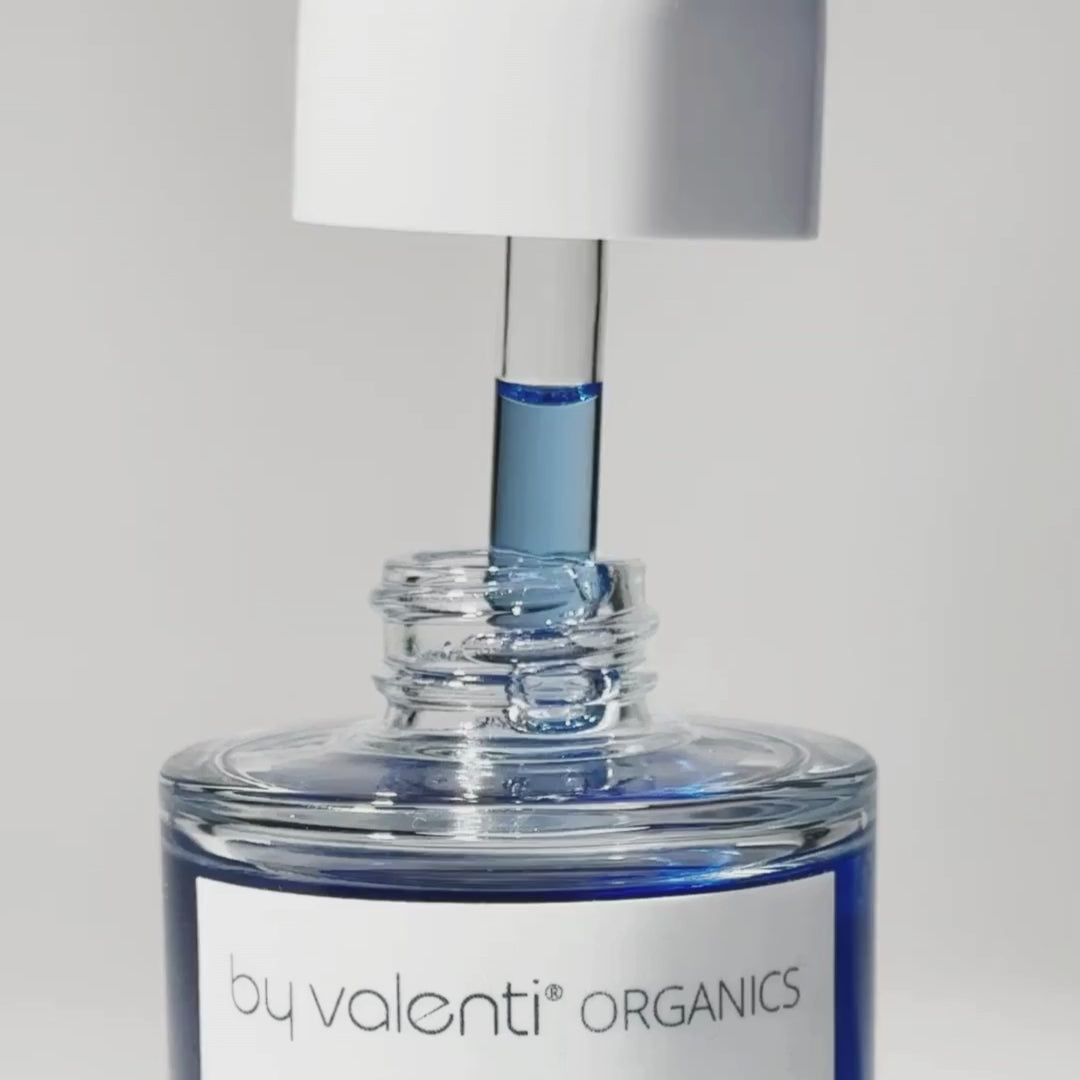
Your recommended treatment combines Olio di C Vitamin C Serum with 10% stable, bioactive oil-soluble vitamin C, and Aqua B3 Serum with 10% Niacinamide. Together, these complementary treatments help brighten the complexion, promote a more even skin tone, and help reduce the appearance of hyperpigmentation while supporting the skin barrier and overall skin health.

Aqua B3
Apply a few drops to the face, neck, and décolleté before Olio di C.

Olio di C
Apply a few drops to the face, neck, and décolleté right after Aqua B3.


When to apply?
Aqua B3 Serum: Daily during the morning (AM) and evening (PM) routines right after toner.
Olio di C Vitamin C Serum: Daily during the morning (AM) and evening routines (PM) right after Aqua B3.

Recommendations for Step 4

Close-up of a female test subject with a neutral expression against a plain background, showing improvement in skin appearance after 6 weeks of twice-daily applications of BY VALENTI Niacinamide Serum.

Four easy to follow steps.

Your Routine at a Glance

  • ✓ Cleanse twice daily
  • ✓ Mask 1–2 times weekly
  • ✓ Tone morning and evening
  • ✓ Apply treatment as directed

A skincare routine you can commit to, powered by potent Italian formulas that provide real results.

Frequently Asked Questions

What is hyperpigmentation?

Hyperpigmentation is the darkening of certain areas of the skin caused by an increase in melanin production. It commonly appears as sun spots, age spots, or dark marks left behind after inflammation or blemishes.

What causes hyperpigmentation?

Hyperpigmentation can develop after prolonged sun exposure, inflammation, hormonal changes, skin injury, or certain medications. In each case, specialized skin cells called melanocytes produce excess melanin, resulting in darker patches of skin.

Can hyperpigmentation be prevented?

Not all forms of hyperpigmentation can be prevented, but minimizing unnecessary sun exposure, avoiding skin irritation, and treating inflammation promptly can help reduce the risk of developing new discoloration.

Why are Vitamin C and Niacinamide recommended together?

Vitamin C and niacinamide work through different biological pathways. Vitamin C helps reduce oxidative stress and supports a brighter-looking complexion, while niacinamide helps reduce the transfer of melanin to skin cells and supports the skin barrier. Together, they complement one another in helping improve the appearance of uneven skin tone.

Should I exfoliate more often to remove dark spots?

No. Excessive exfoliation does not remove hyperpigmentation faster and may increase skin irritation, which can worsen certain forms of discoloration. Gentle exfoliation once or twice a week is generally sufficient for most normal skin types.

Do I need sunscreen if I have hyperpigmentation?

It depends on your expected sun exposure. Ultraviolet radiation can stimulate melanin production and contribute to the development or worsening of hyperpigmentation. Whenever meaningful UV exposure is anticipated, applying a broad-spectrum sunscreen helps reduce UV-induced skin damage and supports your efforts to achieve a more even-looking complexion.

Can skincare products remove hyperpigmentation?

Yes. Properly formulated skincare products containing clinically studied active ingredients at effective concentrations can significantly reduce and, in some cases, eliminate hyperpigmentation. Results depend on the underlying cause of the discoloration, the depth of the pigment, and consistent long-term use.