






-
Olio Di C Vitamin C Serum  Best Seller
Olio Di C Vitamin C Serum
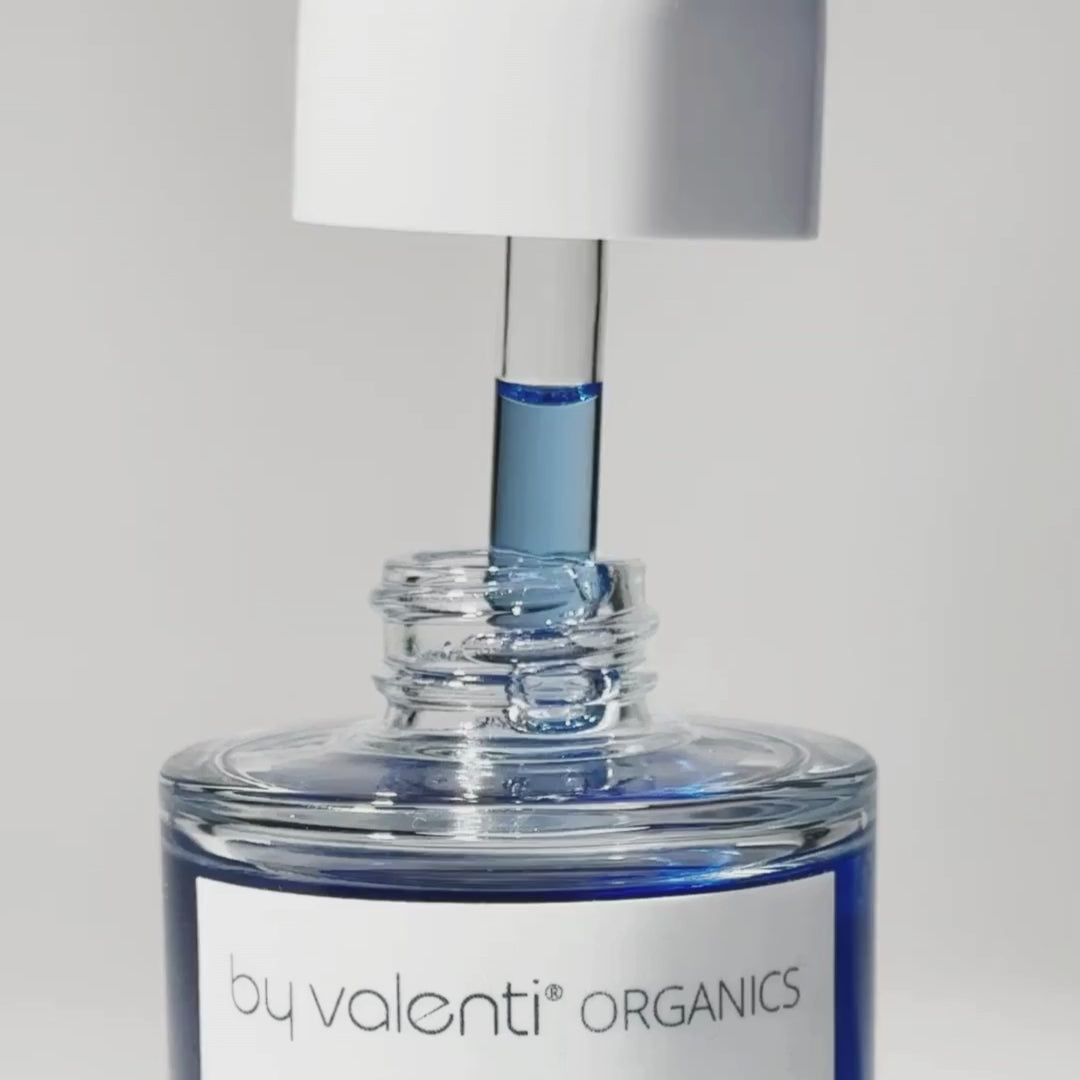
Olio Di C Vitamin C Serum — 10% Tetrahexyldecyl Ascorbate + Blue Tansy (Azulene) + Olive Squalane
$120.00 USD -
Bakuchiol Night Repair Cream  Best Seller
Bakuchiol Night Repair Cream
Bakuchiol Night Repair Cream — Bakuchiol 1% + Retinyl Palmitate 0.3% + Hyaluronic acid + Ceramides
$120.00 USD -
Estate a Barcola Shimmering Body Oil  New
NewEstate a Barcola Shimmering Body Oil
Estate a Barcola Shimmering Body Oil — Vitamin C + Botanical Antioxidants
$70.00 USD -
Garden of Roses All Over Oil  Best Seller
Garden of Roses All Over Oil
Garden of Roses All Over Oil — Vitamin C + Vitamin E + Rose extract
$45.00 USD -
Lavender & Almond All Over Oil  Best Seller
Lavender & Almond All Over Oil
Lavender & Almond All Over Oil — Vitamin C + Vitamin E
$39.00 USD -
Lavender & Lime All Over Oil 
Lavender & Lime All Over Oil
Lavender & Lime All Over Oil — Tetrahexyldecyl ascorbate 5% + Vitamin E
$29.00 USD -
Citrus Joy All Over Oil 
Citrus Joy All Over Oil
Citrus Joy All Over Oil — Vitamin E + Vitamin C
$39.00 USD -
Caffè Macchiato All Over Oil 
Caffè Macchiato All Over Oil
Caffè Macchiato All Over Oil — Vitamin C 5% + Vitamin E
$39.00 USD -
Olive & Squalane Hands & Body Lotion  Best Seller
Olive & Squalane Hands & Body Lotion
Olive & Squalane Hands & Body Lotion — Extra virgin olive oil + Olive leaf extract + Vitamin E
$32.00 USD -
Carrot, Grapefruit & Egyptian Geranium Rose Hands & Body Lotion  Best Seller
Carrot, Grapefruit & Egyptian Geranium Rose Hands & Body Lotion
Carrot, Grapefruit & Egyptian Geranium Rose Hands & Body Lotion — Vitamin C + Vitamin E + Sesame seed oil
$32.00 USD -
Lavender & Almond Hands & Body Lotion 
Lavender & Almond Hands & Body Lotion
Lavender & Almond Hands & Body Lotion — Sesame seed oil + Aloe vera + Vitamin C + Vitamin E
$32.00 USD -
Lavender & Lime Hands & Body Lotion 
Lavender & Lime Hands & Body Lotion
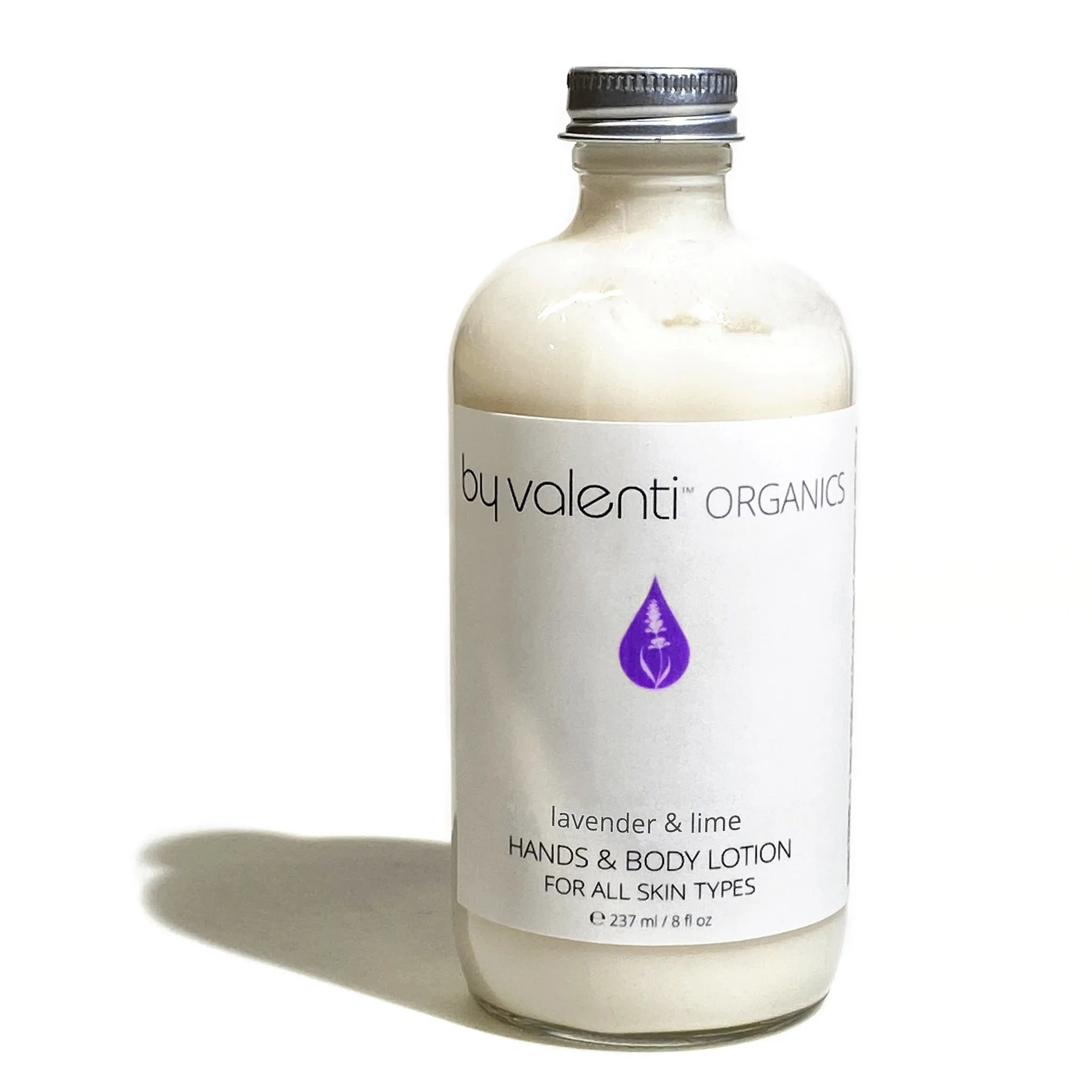
Lavender & Lime Hands & Body Lotion — Aloe vera + Sunflower oil + Vitamin C + Vitamin E
$32.00 USD
Vitamin C Skincare with Tetrahexyldecyl Ascorbate
Vitamin C is an antioxidant widely used in skincare to help improve the appearance of uneven skin tone, hyperpigmentation, dark spots, and visible signs of skin aging. It also plays an important biological role in collagen synthesis and helps protect skin components against oxidative stress caused by environmental exposure.
Which vitamin C a skincare product is formulated with matters greatly, for skin compatibility, long-term results and product stability.
Most BY VALENTI vitamin C formulations use Tetrahexyldecyl Ascorbate (THD Ascorbate), a lipid-soluble vitamin C derivative selected for its stability and compatibility with oil-based and lipid-rich formulations.
L-Ascorbic Acid is used selectively in our anhydrous clay masks, where the absence of water helps minimize the instability and oxidation commonly associated with aqueous L-ascorbic acid formulations, keeping stability front and center.
What Is Tetrahexyldecyl Ascorbate?
Tetrahexyldecyl Ascorbate, commonly called THD Ascorbate, is a lipid-soluble derivative of vitamin C. Its oil solubility allows it to be incorporated into lipid-based and anhydrous formulations while offering greater formulation stability than oxidation-prone and sensitizing L-ascorbic acid.
Its lipid solubility is particularly relevant to topical delivery. The outermost layer of skin, the stratum corneum, contains a lipid-rich extracellular matrix that presents a substantial barrier to water-soluble molecules.
Recent comparative research provides direct experimental evidence for the penetration advantage of THD Ascorbate.
In a 2026 Journal of Cosmetic Dermatology study comparing marketed formulations containing THD Ascorbate, L-ascorbic acid, and sodium ascorbate, researchers evaluated penetration across a synthetic Strat-M membrane designed to model the epidermal and dermal barrier.
After 6 hours, measured penetration was 6% for THD Ascorbate compared with 4.8% for L-ascorbic acid. At 72 hours, penetration reached 14% for THD Ascorbate versus 0.36% for L-ascorbic acid — approximately 38 times greater at that endpoint.
The distinction is important: this does not mean THD Ascorbate has been demonstrated to penetrate living human skin 38 times better than L-ascorbic acid. The experiment used a synthetic membrane and compared finished commercial formulations containing different vitamin C concentrations and delivery systems: 30% THD Ascorbate, 15% L-ascorbic acid, and encapsulated sodium ascorbate. The study was also sponsored by Revision Skincare, and two authors disclosed relationships with the company.
The results nevertheless provide direct comparative laboratory evidence that, under the conditions tested, the THD Ascorbate formulation demonstrated substantially greater and more sustained penetration than the L-ascorbic acid formulation.
Why BY VALENTI Uses Different Forms of Vitamin C
Not all forms of vitamin C behave identically in a cosmetic formulation, and the appropriate form depends on the formulation itself.
THD Ascorbate is the principal form used across BY VALENTI serums, oils, creams, and other treatment products because its lipid solubility and greater formulation stability make it especially suitable for the types of minimalist, lipid-based systems we formulate.
L-Ascorbic Acid is reserved for our anhydrous clay masks. Because these formulas contain no water, the ingredient is not exposed to the aqueous environment that accelerates its degradation and oxidation in conventional water-based vitamin C products.
This allows us to use each form of vitamin C where its chemistry is most appropriate rather than treating every derivative as interchangeable.
L-ascorbic acid is water-soluble, chemically unstable, and readily oxidizes in the presence of water, oxygen, light, and elevated temperatures, making it one of the most hated ingredients to formulate with by nearly all cosmetic chemists (ours included). Effective topical formulations also commonly rely on a low-pH environment making them unsuitable for sensitive skins.
Vitamin C for Sensitive and Reactive Skin
Formulation design matters as much as the vitamin C ingredient itself.
Traditional water-based L-ascorbic acid serums are often formulated at a low pH, which can be less comfortable for some sensitive or reactive skin types. THD Ascorbate does not require the same highly acidic formulation environment, which is one reason we favor it in leave-on treatments.
Our use of L-Ascorbic Acid in clay masks is different: these are anhydrous, rinse-off formulations, not acidic aqueous serums.
That distinction lets us formulate vitamin C according to product format, stability, skin contact time, and intended use.
Vitamin C for Hyperpigmentation, Dark Spots and Uneven Skin Tone
Vitamin C has been extensively investigated for its relationship with pigmentation and melanogenesis. It can interfere with processes involving tyrosinase, an enzyme necessary for melanin production. This is one reason topical vitamin C is frequently incorporated into skincare formulated for the appearance of hyperpigmentation, dark spots, post-inflammatory discoloration, and uneven skin tone.
The scientific evidence is not identical for every form of vitamin C. Much of the established dermatological literature concerns L-ascorbic acid, and its clinical results should not automatically be attributed to every vitamin C derivative.
For this reason, BY VALENTI distinguishes between the established biological functions of vitamin C and evidence specifically evaluating THD Ascorbate rather than treating all forms of vitamin C as interchangeable.
Vitamin C and Antioxidant Support
Skin is continually exposed to oxidative stress generated by ultraviolet radiation, pollution, and other environmental factors. Vitamin C participates in the skin's antioxidant defense system by helping neutralize reactive oxygen species.
This antioxidant function is also why vitamin C is frequently combined with complementary antioxidants in topical skincare.
Antioxidant skincare does not replace sunscreen. Vitamin C can complement a daytime skincare routine, but it does not provide SPF unless the finished formulation has undergone the appropriate sunscreen testing and is labeled accordingly.
Vitamin C and Collagen
Vitamin C plays an essential biochemical role in normal collagen synthesis. It acts as a cofactor for enzymes involved in the hydroxylation and stabilization of newly synthesized collagen and participates in processes involved in collagen formation.
This relationship helps explain why topical vitamin C has been extensively investigated in connection with the appearance of fine lines, skin firmness, and visible photoaging.
Here again, scientific precision matters. The extensive body of research establishing vitamin C's biological role in collagen metabolism should be distinguished from clinical evidence evaluating a particular vitamin C derivative or finished cosmetic formulation.
How to Choose Vitamin C Skincare
Choosing a vitamin C product involves considerably more than looking for the highest percentage printed on the label. The form of vitamin C, chemical stability, solubility, formulation environment, accompanying ingredients, packaging, and skin tolerance all influence the finished product.
For uneven skin tone, hyperpigmentation, and dark spots, vitamin C can be incorporated into a routine alongside complementary ingredients such as niacinamide and other antioxidants.
Dry, sensitive, or reactive skin may benefit from formulations in which antioxidant ingredients are incorporated alongside emollients and barrier-supporting lipids.
During daytime use, complete your routine with an appropriate broad-spectrum sunscreen. Vitamin C provides antioxidant support; it is not a substitute for UV protection.
References
Pullar JM, Carr AC, Vissers MCM. The Roles of Vitamin C in Skin Health. Nutrients. 2017;9(8):866. This review discusses the biological roles of vitamin C in skin, including antioxidant activity, collagen synthesis, pigmentation, and skin health.
PubMed – The Roles of Vitamin C in Skin Health
Al-Niaimi F, Chiang NYZ. Topical Vitamin C and the Skin: Mechanisms of Action and Clinical Applications. Journal of Clinical and Aesthetic Dermatology. 2017;10(7):14–17. This review discusses topical vitamin C, photoprotection, pigmentation, collagen synthesis, stability, and dermatological applications.
PubMed – Topical Vitamin C and the Skin
A 2026 Journal of Cosmetic Dermatology comparative penetration study evaluated formulations containing Tetrahexyldecyl Ascorbate, L-ascorbic acid, and sodium ascorbate using a Strat-M membrane model. At the 72-hour endpoint, the THD Ascorbate formulation demonstrated approximately 38× the measured penetration of the L-ascorbic acid formulation under the experimental conditions tested.
Full study – Journal of Cosmetic Dermatology via PubMed Central


